Port of Brisbane Container Transport Services
Specialist container pickup and delivery from the Port of Brisbane — Fisherman Islands, DP World, VICT and Patrick terminals. Port-adjacent turnaround.
The Port of Brisbane is Queensland's busiest container port and the origin or destination for the vast majority of the state's containerised trade. If you've got a container moving through Brisbane, it's almost certainly coming off — or going onto — a ship at Fisherman Islands. We run wharf cartage from the Port of Brisbane every day, and it's the core of our business.
Being based port-adjacent is our biggest advantage — short cartage legs, flexible slot timing, and a low risk of demurrage. Get a quote for a port move and we'll come back with a plan and a quote.
The Port of Brisbane at a glance
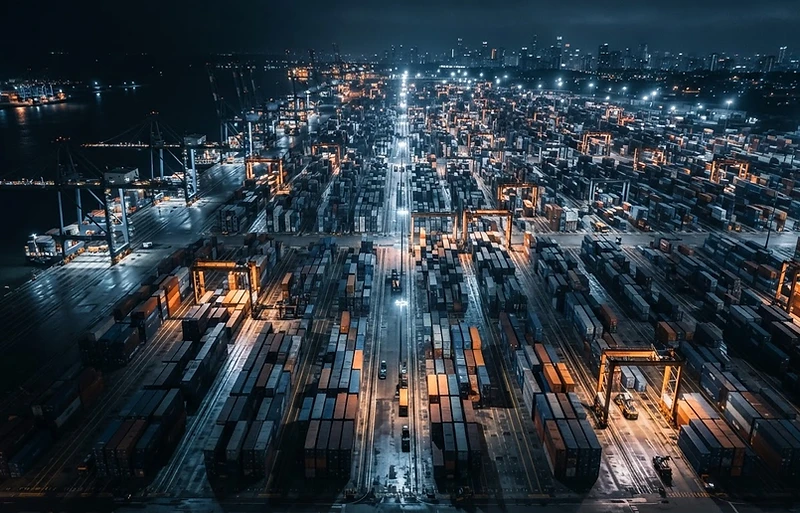
The Port of Brisbane sits at the mouth of the Brisbane River on Fisherman Islands, a purpose-built port precinct a short drive from the city's industrial suburbs. It operates three container terminals, each run by a different stevedore with its own access system, operating hours and slot booking process:
DP World Brisbane
Major stevedore handling a large share of container throughput, with a vehicle booking system for truck arrivals.
VICT
Victoria International Container Terminal — a newer, highly automated terminal demanding precise slot compliance.
Patrick AutoStrad
Patrick's automated straddle-carrier operation, with strict arrival windows and exact slot timing.
We work all three terminals, so whichever stevedore your container is with, we can collect it.
Port access requirements
You can't just send any truck to the Port of Brisbane. Each terminal runs an access and booking system, and transport providers need the right terminal access, a compliant vehicle, and a booked slot to arrive. Drivers must be inducted for the terminals, vehicles must meet the port's mass and safety standards, and arrivals have to fall within the booked slot window — late or out-of-window arrivals are turned away, which wastes a trip and risks demurrage. We handle all of this as standard.
Pickup and delivery procedures
For an import, the process is: delivery order released by the shipping line, slot booked at the relevant terminal, a truck with terminal access arrives at the slot, stevedore lifts the container on, and the driver heads to your delivery address. For an export, it's the reverse: we collect the laden container from you and deliver it to the terminal inside the export receival window. Every step is coordinated and tracked, with proof of delivery on every job.
Proximity advantages
Because we're port-adjacent, the cartage leg from the terminal to nearby industrial precincts like Hemmant and Tingalpa is short — which means lower cost, faster turnaround, and more flexibility to hit tight slot windows. For deliveries further afield across SEQ, the port-adjacent base still means we can get a truck to the terminal quickly when a same-day slot opens up. The same short leg reaches the Australia TradeCoast, so container transport in Eagle Farm runs on the same direct wharf-to-warehouse leg as a Hemmant delivery.
Container pickup from each terminal
Because the three terminals operate differently, pickup looks a little different at each. At DP World, arrivals run through a vehicle booking system — your truck arrives in its booked window, the delivery order is verified, and the stevedore loads the container. At VICT, the automated terminal means the truck has to hit a precise arrival window and follow the terminal's automated gate process; out-of-window arrivals are turned away. At Patrick AutoStrad, the automated straddles handle the lift, and again exact slot compliance is non-negotiable. We know each terminal's quirks — the gate processes, the paperwork, the best times of day — so your container is collected first time, every time.
Working with the stevedores
The stevedores — DP World, VICT and Patrick — run the terminals and handle the ship-to-shore and yard movements. They don't deal directly with importers or exporters; they deal with transport providers with terminal access who arrive in booked slots. That means your relationship with the port runs through your cartage operator. A provider with deep stevedore experience knows how to read availability, how to recover a missed slot, and how to coordinate when a container isn't where the system says it is. That experience is the difference between a container that moves on schedule and one that sits on the wharf accruing demurrage.
Port cartage for importers and exporters
For importers, port cartage is the first leg of getting goods to market — collect from the terminal, deliver to the warehouse, unpack, and return the empty. The faster and more reliably that leg runs, the lower your landed cost and the sooner your goods are available. For exporters, it's the last leg — deliver the packed container to the terminal inside the export receival window so it makes the sailing. Both flows live and die on timing, and both are exactly what a port specialist exists to manage. For the broader picture on container haulage, see our overview.
Why use a port specialist?
A general transport company can move a container, but a port specialist knows the terminals, the stevedores, the slot systems and the paperwork — and that knowledge is what keeps your container moving and your demurrage at zero. We specialise in exactly this. If your container is coming through — or leaving through — the Port of Brisbane, get a quote and let's keep it moving.
Port of Brisbane container transport FAQs
Yes. We work all three Port of Brisbane container terminals — DP World, VICT and Patrick — so we can collect your container directly and deliver it to your door in a single managed move.
Get a free container transport quote
Send us the container details and we will reply with a plan and a quote.