Container Transport in Brisbane's North: Eagle Farm, Pinkenba and Northgate
The northside is where the port, the river and the airport sit closest together, so container work here is dominated by short runs between industrial areas that share the same roads. This page covers Eagle Farm and Pinkenba, the older and tighter industrial pockets at Northgate, Nundah and Virginia, why a short run still needs a booked window, and what to send us for a sideloader job. When you are ready, send us the container details or call 0407 977 529.
The port's northern neighbours
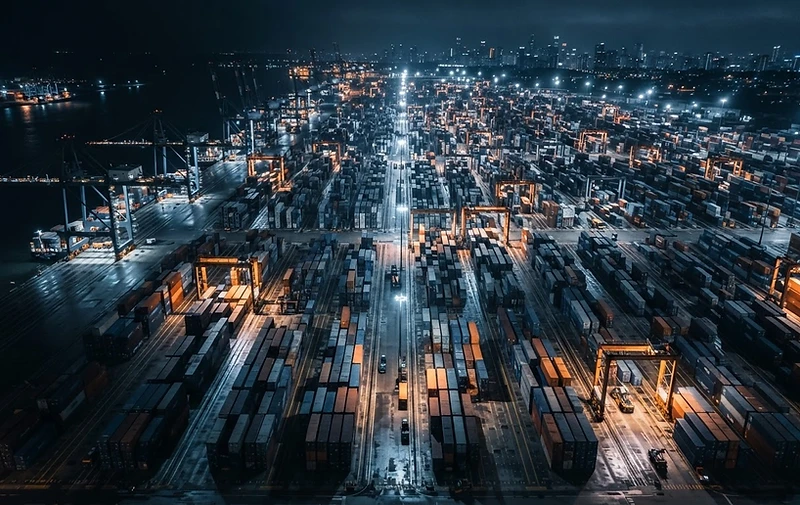
Pinkenba and Eagle Farm are described in port access material as connected port-industrial areas, and the Port of Brisbane's own facility list includes upriver berths at Pinkenba and the Lytton refinery precinct. Container work here often means short runs, but short does not mean simple. A run that looks like a five-minute drive can still involve a terminal booking, a receival window at a container park, and a receiver with fixed docks hours.
Eagle Farm and Pinkenba
Warehouses, depots and light industry share streets with heavy vehicle routes. If your delivery is inside one of these precincts, the questions are the usual ones: dock or ground level, hours, gate width, overhead lines. Tell us the address and the receiving contact. Because these areas are close to the port, an import can be collected and delivered in a short cycle, but only if the container is released and the window is booked. Our Port of Brisbane page explains that end of the job.
Northgate, Nundah and Virginia
Further inland on the northern side, industrial pockets are older and often tighter than the port-side estates. Some have shared driveways and limited turning room for a long trailer. For a sideloader placement in this kind of site, a photo of the entrance and the delivery spot is more useful than a description.
Short runs still need windows
A terminal slot and a return park window still apply on a five-minute run. A container that misses its window does not become easier because the drive was short. We plan the sequence, not just the distance.
The sequence for an import is: confirm the release, book the window, collect, deliver, unpack, and return the empty to the park on the shipping line's advice. For an export it is: deliver the empty, pack and seal, and return the loaded container before the receival cut-off. On the northside, every one of those steps is close to the next, which is an advantage only if none of them slips. If a release is late, we would rather say so and re-plan than have a truck waiting.
Lytton and river-side industry
Lytton and the river-side stretch carry heavy industrial traffic. If you are delivering into that area, ask us about site induction and gate rules before the truck is booked. Some sites need visitors to sign in, follow set routes or wear specific gear, and it is far better to know before the truck is at the gate.
Small sites and sideloader jobs
Away from the big precincts, the northside has plenty of small business yards and trade premises where a container is wanted at ground level. A sideloader lifts the container from the side and sets it down, but it needs clear space beside the delivery position, firm ground and nothing overhead. These are the checks we run before we confirm:
- Gate or driveway width, and any bend or kerb to negotiate
- Power lines, trees or awnings over the placement spot
- Ground firmness and slope
- Clear space beside the spot for the trailer to work
- Who will be on site to direct the driver
For more on the equipment, see our sideloader page. For the wider set of job types, read about the job types and trucks we work with.
Regular northside work
Some customers on the northside have repeat needs: a regular import run, a set of empties to return each week, or a series of site placements. If that is you, send us the container types, the pickup and delivery points and the days you have in mind, and we will tell you how we would plan it.
What to send us for a northside job
- Container number, size and type (or the door code)
- Shipping line and release details
- Pickup and delivery addresses, with access notes
- Dock, forklift or ground-level delivery
- A photo of the entrance and placement spot for sideloader jobs
- Return advice for the empty
Frequently asked questions
Yes. Send us the address, the receival hours and the receiver's contact, and we will plan the run around the terminal window and the dock hours.
Get a free container transport quote
Send us the container details and we will reply with a plan and a quote.